
Understanding the psychology behind gambling behaviors in casinos
Understanding the psychology behind gambling behaviors in casinos
The Allure of Risk and Reward
The thrill of gambling often hinges on the interplay between risk and reward. For many players, the excitement of potentially winning a large sum can create an irresistible urge to participate. This psychological tug-of-war is rooted in the brain’s reward system, which releases dopamine in response to anticipated rewards. The possibility of a jackpot creates a heightened state of excitement, often leading individuals to engage in gambling despite the risks involved. Today, players can explore a variety of options including Non GamStop casinos, allowing for an unrestricted gaming experience.

Moreover, the unpredictability of outcomes in gambling feeds into a psychological phenomenon known as variable reinforcement. This means that rewards are not consistently predictable, which can further entice players to continue gambling. The sporadic wins create a cycle of hope and motivation, driving individuals to return to the casino time and again, sometimes leading to problematic gambling behaviors.
Cognitive biases and gambling decisions
Cognitive biases play a significant role in how individuals perceive their chances of winning. For instance, many gamblers exhibit the « gambler’s fallacy, » believing that past outcomes influence future results. If a player has witnessed a series of losses, they may assume that a win is imminent. This flawed reasoning often encourages continued play, as individuals feel compelled to chase their losses, leading to further financial risk. Recognizing the emotional responses can help mitigate these biases, ensuring a more responsible approach to gambling.
Another common bias is the illusion of control, where players believe they can influence the outcome of games, particularly in skill-based games. This misconception can lead to excessive confidence and a willingness to stake larger amounts. Understanding these biases can help casinos design environments that either exploit or mitigate these behaviors, ultimately shaping the gambling experience.
The Role of Environment in Gambling Behavior
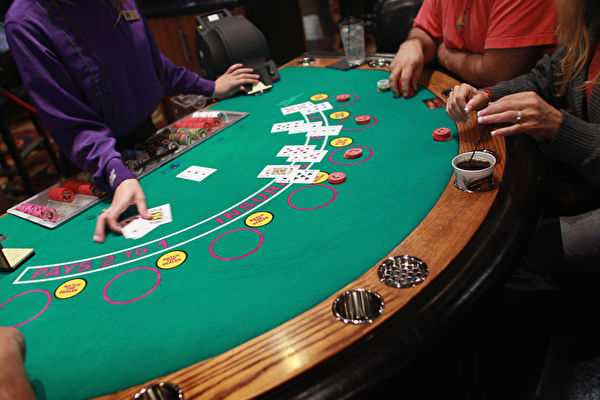
The casino environment is meticulously crafted to enhance the gaming experience and maximize player engagement. From the vibrant colors and sounds to the strategic placement of games, every element is designed to stimulate the senses and keep players entertained. This immersive environment can lead to a state of flow, where players lose track of time and money as they become engrossed in the experience.
Additionally, social factors come into play. Gamblers often enjoy the camaraderie found in casinos, whether at table games or while engaging in sports betting. This social interaction can amplify the excitement of the experience, encouraging players to gamble more than they might have alone. The combination of an engaging environment and social dynamics creates a powerful incentive for continued play.
The Impact of Emotions on Gambling Choices
Emotions are a driving force behind many gambling decisions. Players often gamble as a means of coping with stress, boredom, or negative feelings. The escapism provided by gambling can offer a temporary relief from daily pressures, leading individuals to gamble more than intended. In many cases, the emotional highs and lows associated with gambling can create an addictive cycle where individuals chase the euphoric highs while trying to avoid the lows.
Furthermore, emotional responses can cloud judgment and lead to impulsive decisions. A player on a winning streak may feel invincible and wager larger amounts, while someone experiencing a losing streak may gamble recklessly to regain their losses. Recognizing the influence of emotions on gambling behavior is crucial for both players and operators in promoting responsible gaming practices.
Exploring Safe Gambling Practices
As the landscape of gambling evolves, understanding the psychology behind gambling behaviors can help inform safe practices. For players, awareness of cognitive biases and emotional triggers can encourage more mindful gambling. Setting limits on time and money spent can help individuals maintain control over their gaming experiences. Additionally, educating players about the randomness of games can demystify the process and promote healthier attitudes towards gambling.
For operators, creating an environment that fosters responsible gambling is essential. This includes providing resources for players to seek help if needed, implementing self-exclusion options, and promoting awareness about the risks associated with gambling. A commitment to responsible gaming can not only enhance the player experience but also contribute to the sustainability of the casino industry.