
The role of casinos in shaping cultural identities and values
The role of casinos in shaping cultural identities and values
Historical Significance of Casinos
Casinos have been integral to many cultures throughout history, often reflecting the social dynamics and economic conditions of their times. In ancient civilizations, gambling was not merely a pastime; it was intertwined with religious and social ceremonies. For instance, in ancient Rome, public games were held in honor of gods, emphasizing the cultural belief that fortune was a divine attribute. Today, platforms such as https://inoute.com/ exemplify how the world of gaming has evolved while retaining those deep cultural connections.
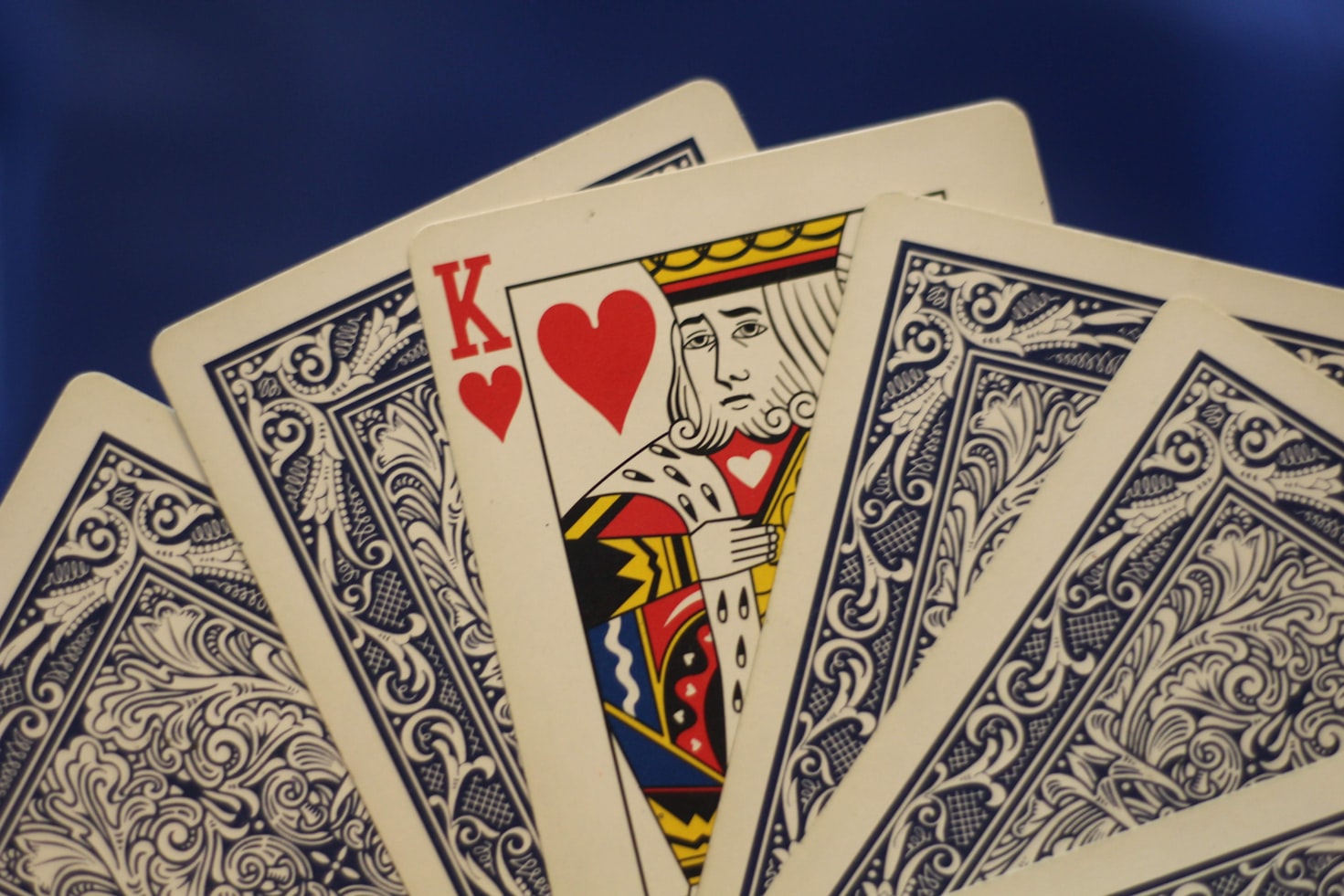
As societies evolved, so did the role of casinos. During the Renaissance, gaming houses became social hubs for the wealthy, shaping cultural practices around gambling. This evolution illustrates how casinos are not just venues for entertainment but also places that reflect and influence societal values, promoting interaction and community bonding.
Casinos as Cultural Symbols
In modern contexts, casinos often serve as symbols of cultural identity. They reflect local values, traditions, and even aspirations. For example, Las Vegas embodies a unique blend of glitz and glamour, representing the American ideal of success and indulgence. The city’s casinos are not only entertainment venues but also landmarks that attract millions of visitors, shaping perceptions of the American lifestyle.
Similarly, in other regions, casinos can symbolize cultural pride and economic opportunity. In places like Macau, the gambling industry has transformed the economy, turning it into a global gaming capital. This cultural significance resonates through architecture, art, and community events, showcasing how casinos shape and reinforce local identities.
Impact on Social Values and Norms
The presence of casinos can significantly influence social values and norms within a community. They often promote notions of risk-taking and adventure, challenging traditional views on work and leisure. This shift can lead to a more relaxed attitude towards gambling, as well as a burgeoning acceptance of risk as a part of life.
However, this influence is dual-edged. While casinos can foster a sense of community and shared experiences, they can also raise concerns about addiction and socioeconomic disparities. The complex relationship between gambling and societal values illustrates the need for a balanced perspective on the cultural role of casinos, recognizing both their positive and negative impacts.
Influence on Regional Economies
Casinos often play a pivotal role in shaping regional economies, influencing everything from employment rates to tourism. In many areas, the establishment of a casino can lead to a significant increase in local business opportunities, attracting tourists and creating jobs. This economic boost can help to redefine cultural attitudes towards work, success, and wealth accumulation.
Moreover, the revenue generated by casinos can be funneled back into the community, funding public services and cultural initiatives. This creates a cycle where the economic benefits of casinos reinforce their cultural significance, as communities become more interconnected and invested in their local identities through these establishments.

Innovations in Online Gaming and Cultural Shifts
With the rise of online casinos, the cultural landscape of gambling is evolving. Platforms like InOut Games are reshaping how people engage with gaming, making it accessible from anywhere. This innovation has introduced a new dimension to cultural identities, as individuals from diverse backgrounds can participate in gambling experiences that transcend geographical boundaries.
The online gaming revolution fosters a sense of global community while allowing for local cultural expressions within game design and themes. As players navigate these virtual spaces, they contribute to a new cultural narrative that highlights both individuality and shared experiences, shaping modern values around entertainment and leisure.