
Exploring the psychology behind casino design
The Importance of Atmosphere in Casino Design
Casino design is intricately tied to the atmosphere it creates, directly influencing player behavior. The ambiance is carefully curated to evoke a sense of excitement and luxury, featuring elaborate lighting and decor that stimulate the senses. In this environment, players often feel a rush of adrenaline, making them more likely to engage in gambling activities, especially when they explore options for pokies online australia that offer unique experiences. These alluring spaces elevate their gaming experience, and ambient music and scents play pivotal roles, subtly enhancing emotions that can lead to longer play sessions. The psychological impact of these sensory elements cannot be understated, as they work together to create an immersive environment.
Moreover, the layout of a casino is designed with psychological principles that encourage exploration. Long corridors and winding pathways facilitate a sense of curiosity, urging patrons to wander deeper into the establishment. This strategy operates on the principle of the « endless aisle, » where guests are continually exposed to new games and attractions, keeping them engaged for extended periods. As patrons navigate the casino, they often lose track of time, drawn in by the stimulating environment that constantly offers fresh experiences and entertainment options.
The psychological impact of color also cannot be overlooked in casino design. Vibrant colors such as red and gold are believed to stimulate excitement and attract attention. These visually appealing hues create an energy that resonates with the thrill of gambling. Such deliberate choices foster emotional responses that enhance individual experiences, making players more likely to return and engage deeply with the casino environment. By using color to evoke specific feelings, casinos can effectively manipulate the mood and mindset of their patrons, ensuring they associate positive emotions with their gaming experiences.
Spatial Design and Player Flow
The spatial design of a casino is critical in managing player flow and maximizing revenues. The layout is strategically organized to guide guests seamlessly from one area to another, often using high-stakes gaming tables to create a sense of prize and exclusivity. By placing popular slot machines in prime sightlines and high-traffic areas, casinos can ensure that patrons encounter these enticing games frequently, increasing the likelihood of participation. This concept is rooted in behavioral psychology, where visibility correlates to increased engagement, allowing casinos to attract more players and encourage them to explore different games.
Furthermore, designers carefully allocate space for various game types, creating zones that cater to different demographics. High rollers may be drawn to areas that provide privacy and exclusivity, while casual players may prefer a more social environment. This zoning approach allows casinos to cater to diverse preferences, ensuring that their designs appeal to a broad range of visitors. The ability to move freely between these zones enhances the overall player experience, making it more satisfying and enjoyable for everyone involved.
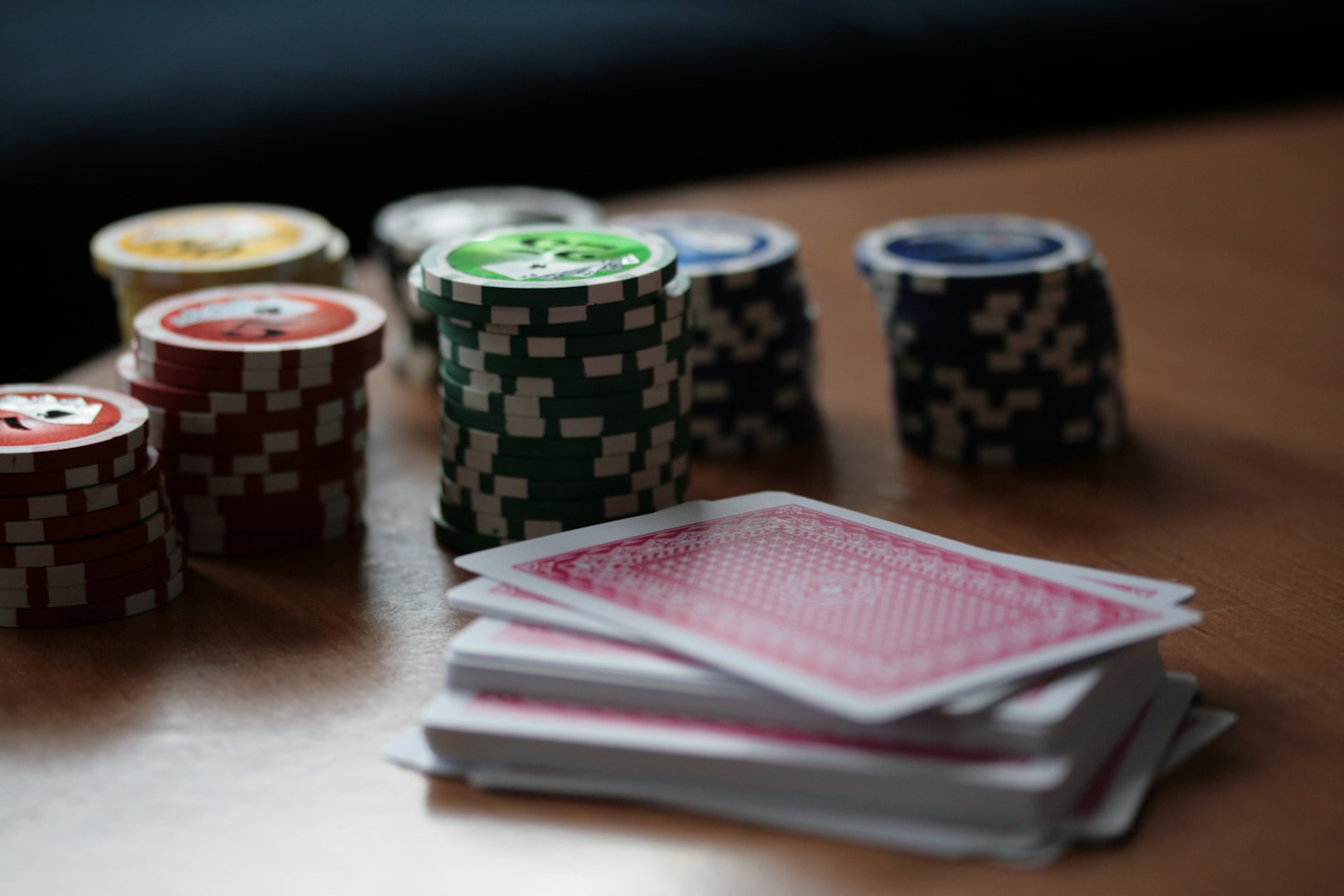
Crowd management is another crucial aspect of spatial design. By understanding human behavior in crowded settings, casinos can implement strategies that prevent overwhelm and frustration. Open spaces and strategically placed gaming stations can make a busy casino feel more inviting, encouraging players to stay longer. Additionally, the use of clear signage and intuitive layouts can help mitigate confusion, enabling guests to navigate the casino with ease, thereby enhancing their experience and prolonging their stay. A well-thought-out spatial design not only improves player satisfaction but also contributes to the casino’s overall success.
The Role of Reward Systems in Casino Design
In the realm of casino design, reward systems function as powerful psychological tools that keep players engaged and returning for more. Casinos often employ loyalty programs that offer perks and incentives, tapping into a player’s desire for rewards. These systems create a sense of belonging and appreciation among patrons, making them feel valued and encouraging them to spend more. The anticipation of rewards can motivate players to engage in gaming activities more frequently, heightening their emotional investment in the experience.
This idea extends beyond traditional loyalty programs; casinos implement various gamification strategies that appeal to players’ competitive nature. Features such as leaderboards, bonuses, and achievement badges enhance the gaming experience and can trigger dopamine release, reinforcing positive behaviors. Such approaches foster a community atmosphere where players feel connected and are motivated to play longer to earn rewards. This connection not only increases their overall gaming expenditure but also enhances their enjoyment and commitment to the casino.
Moreover, the timing of rewards is crucial. Casinos utilize variable reinforcement schedules—where rewards are given at unpredictable intervals—to create excitement and suspense. This method has been shown to increase gambling behavior significantly, as players become hooked on the uncertain nature of their next win. By carefully orchestrating these reward strategies, casinos can effectively manipulate player psychology to promote sustained engagement and loyalty. The interplay of anticipation and gratification creates a cycle that encourages repeated visits, ensuring that players continue to return for more gaming experiences.
The Psychological Impact of Sound and Scent
Sound design in casinos plays a vital role in setting the mood and influencing player experiences. The clinking of coins, the sound of spinning wheels, and the upbeat music contribute to an atmosphere of excitement and joy. These auditory stimuli are meticulously selected to evoke positive emotions and enhance the thrill associated with gambling. Such strategic sound design elicits behavioral responses where players are inclined to spend more time at the gaming stations that captivate their senses, reinforcing their connection to the casino environment.

In conjunction with sound, scent also has a profound psychological impact on players. Casinos often incorporate specific fragrances that are pleasant and stimulating, creating a unique olfactory signature that guests associate with their experience. Research suggests that certain scents can evoke feelings of relaxation or happiness, making players more likely to engage in gaming activities. This multisensory approach enhances brand recall, encouraging guests to return to the casino in the future. The integration of sound and scent creates a powerful emotional connection that enhances the overall gaming experience.
These elements are not mere embellishments but are foundational to a casino’s operational strategy. By engaging multiple senses, casinos can create an immersive experience that keeps players coming back. The combination of sound and scent reinforces the emotional highs associated with winning while masking the lows of losing, thus effectively sustaining player engagement over extended periods. This comprehensive sensory engagement is essential in maintaining the casino’s allure and drawing players into a world of excitement and entertainment.
Conclusion: The Impact of Design on Player Behavior
In conclusion, the psychological principles behind casino design are crucial in shaping player experiences and behaviors. From atmospheric factors to spatial arrangements and strategic reward systems, every aspect is interwoven to facilitate prolonged engagement. Understanding the psychology at play allows casinos to craft environments that not only attract visitors but also ensure their return. Each design choice is made with careful consideration of how it will influence the emotions and actions of players, creating a tailored experience that resonates with their desires.
As we have explored, sound, scent, and layout all converge to create a compelling experience that keeps players excited and invested. The insights gained from psychological research inform the decisions made by designers, who skillfully balance functionality with emotional appeal. A well-designed casino is not just a space for gambling but an intricately orchestrated experience crafted to captivate its audience. The harmonious interplay of design elements ensures that players feel engaged and valued throughout their visit.
For more insights into how design impacts behavior and the strategic elements that make up successful environments, exploring dedicated resources and expert analyses can enhance understanding. The interplay of psychology and design continues to evolve, and staying informed is essential for both players and industry professionals alike. By remaining attuned to the latest trends and research, stakeholders can continue to refine their strategies, ensuring that the casino experience remains fresh and compelling for all who enter.